Helping Families and Educators Recognize the Full Picture
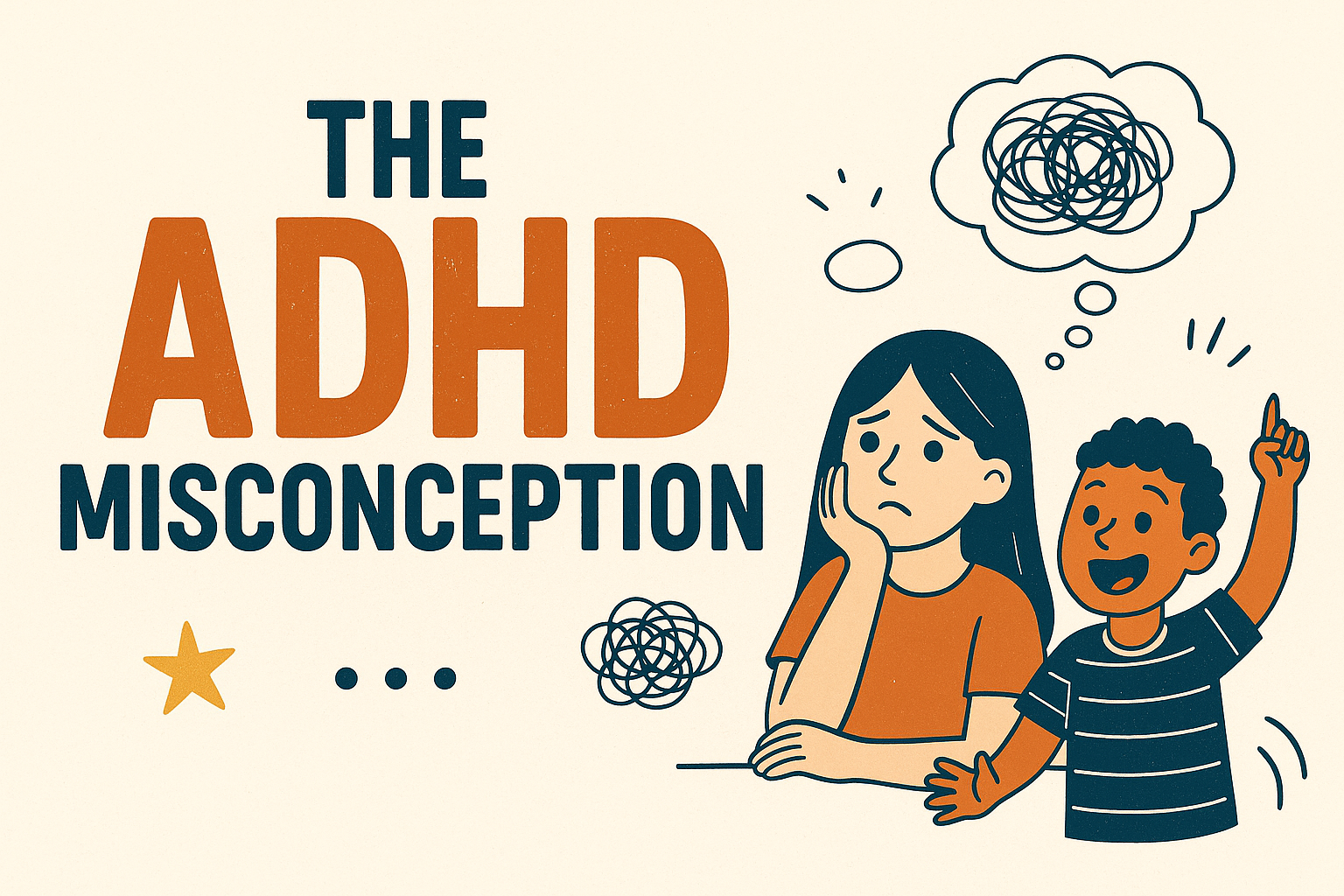
When most people hear the term ADHD—Attention-Deficit/Hyperactivity Disorder—they imagine a child bouncing off the walls, unable to sit still, blurting out answers, or fidgeting nonstop. But that image captures only part of the story. For many students, especially girls and those with inattentive-type ADHD, the signs are quieter, subtler, and more easily overlooked.
This misunderstanding leads to late diagnoses, missed support, and a lot of frustration for children who are told they’re lazy, spacey, or just not trying hard enough. The truth is, ADHD is not simply about being hyper. It’s about how the brain regulates attention, impulse control, and executive functioning—and that can look very different from one child to the next.
The Quiet Signs of ADHD
ADHD symptoms fall into two broad categories: inattentive and hyperactive-impulsive. Many kids exhibit a mix, but some lean heavily toward one. Here are lesser-known ways ADHD might show up:
-
Daydreaming: A student may appear “lost in their own world” during class but actually struggles to filter distractions or follow multi-step instructions.
-
Chronic disorganization: Backpacks overflowing with crumpled papers, missed deadlines, and forgotten assignments can stem from poor working memory and weak planning skills—not a lack of effort.
-
Avoidance of mentally taxing tasks: It’s not that they won’t start their homework—it’s that their brain has a harder time initiating tasks or sustaining focus.
-
Frequent mistakes in detail: Kids may skip problems, misread questions, or forget what they were doing mid-task, leading to lower grades despite high potential.
-
Emotional reactivity: Many children with ADHD have difficulty regulating emotions, leading to outbursts, sensitivity to criticism, or quick frustration.
Girls and the Missed Diagnoses
Girls are especially at risk of being underdiagnosed. Their ADHD symptoms often lean toward inattentiveness, and they may work extra hard to mask their difficulties. These students may be labeled “dreamy,” “shy,” or “anxious” rather than recognized as needing targeted support. As a result, girls often receive a diagnosis later—sometimes not until high school or even adulthood.
What Educators and Families Can Do
-
Look beyond behavior: A child who seems quiet and compliant may still be struggling internally. Pay attention to inconsistent performance, poor organization, or repeated forgetfulness.
-
Ask about effort vs. outcome: If a student is working hard but still falling short, executive functioning challenges could be at play.
-
Foster open conversations: Normalize talking about how different brains work. Kids with ADHD often feel shame or confusion about their challenges.
-
Seek a professional evaluation: Early identification is key. A comprehensive assessment can reveal underlying patterns and lead to more effective interventions.
Final Thoughts
The phrase “attention-deficit” is misleading. Children with ADHD often focus intensely—on the wrong thing, at the wrong time, or for too long. They don’t lack attention; they struggle to manage it.
Understanding this fuller picture helps create a more compassionate and responsive learning environment. It’s not about labeling kids—it’s about unlocking strategies to help them thrive.
Because when we expand our view of ADHD beyond hyperactivity, we open the door to recognizing—and supporting—many more children who need it.