A Personal Profile Highlighting Creativity and Resilience
At first glance, Maya didn’t seem like someone who would grow up to love words. Diagnosed with dyslexia in second grade, she struggled to read aloud in class, stumbled over spelling tests, and avoided writing assignments whenever she could. For years, her relationship with language was defined by frustration. But today, Maya is a published poet, a spoken word performer, and a powerful advocate for students with learning differences.
Her journey is not just about overcoming a diagnosis—it’s about transforming it into a unique lens for creativity and self-expression.
A Difficult Start
“I used to think something was wrong with me,” Maya recalls. “Everyone else could read so fast. I always felt two steps behind.”
Even with supportive teachers and access to reading interventions, Maya spent much of elementary school feeling ashamed of her differences. Reading took tremendous effort. Writing was even harder—letters flipped, words disappeared, and sentences jumbled on the page.
But Maya’s mind was constantly buzzing with ideas. She was observant, imaginative, and deeply emotional. She just couldn’t get her thoughts down in the conventional way.
The Turning Point
Everything changed in ninth grade when Maya’s English teacher introduced the class to poetry. “She told us poetry didn’t have to follow rules. You could break lines, make up words, play with rhythm. It didn’t have to be perfect—it just had to be honest.”
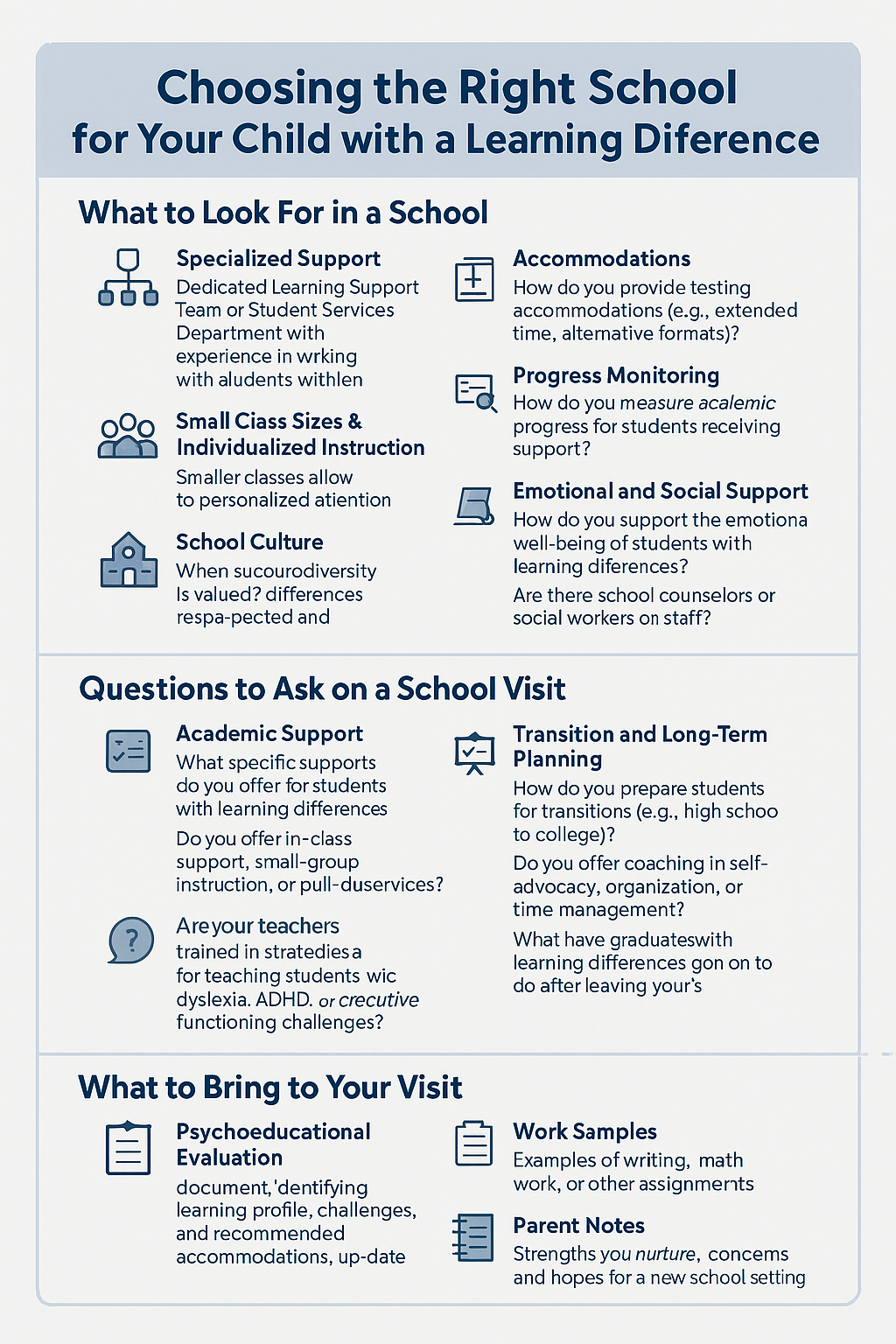
Maya was fortunate to attend a school for students with learning differences.
For the first time, Maya didn’t feel boxed in by grammar or spelling. She began to write poems in her notebook, recording thoughts that had lived in her head for years. Her dyslexia, which made traditional writing difficult, gave her a natural sensitivity to rhythm and sound. “Because I struggled with reading, I learned to listen closely. I heard words differently. That made me a better poet.”
Finding Her Voice
Maya soon began performing her poems aloud, first in small groups, then at school assemblies, and finally at youth poetry slams across the city. Speaking her words gave her a sense of power she had never felt in the classroom.
“I don’t always feel confident on paper,” she says, “but when I speak, people really listen. They hear me.”
Her poems touch on everything from identity and self-worth to social justice and growing up with a learning difference. One of her most celebrated pieces, titled Backward Letters, is a moving meditation on dyslexia as both a challenge and a gift. The final line—I don’t see the world backwards; I see it differently—brings audiences to their feet.
The Bigger Message
Maya’s story is not an exception—it’s a reminder. Students with dyslexia and other learning differences often possess tremendous creativity, empathy, and insight. They just need the right outlets—and the right support.
Maya credits her teachers, her family, and a writing mentor at a local arts nonprofit with helping her build confidence and embrace her unique talents. “They didn’t try to fix me,” she says. “They helped me find my strength.”
Now in college, Maya leads a weekly poetry workshop for younger students with learning differences. She tells them what she once needed to hear: “Your brain isn’t broken. Your story matters. And your voice is powerful.”
Maya’s journey reminds us that success doesn’t always follow a straight line—and brilliance can be found in the spaces where traditional learning falls short. Through poetry, she discovered not just a way to write—but a way to be heard.