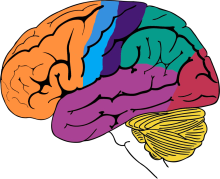
Understanding the Brain Skills That Drive Learning, Focus, and Independence
When a student struggles to turn in homework, remember deadlines, or stay focused in class, the first recommendation often sounds simple: “Get a planner.” While a planner can be helpful, the underlying issue is usually more complex. These challenges often point to executive function difficulties—a set of cognitive skills that affect far more than just organization.
This article breaks down what executive function is, why it matters, and how you can support students who need help with these essential brain-based skills.
What Is Executive Function?
Executive function (EF) is a term used to describe a group of mental skills that help us manage our thoughts, actions, and emotions in order to get things done. These skills are controlled by the brain’s prefrontal cortex, which continues developing well into early adulthood.
At its core, executive function is what allows a student to:
-
Plan and prioritize
-
Stay organized
-
Start tasks and follow through
-
Remember instructions
-
Control impulses
-
Manage time
-
Shift between tasks or ideas
It’s like the CEO of the brain—responsible for managing all the systems required for learning, problem-solving, and everyday functioning.
How Executive Function Affects Learning
When executive function is working well, a student can keep track of assignments, manage their time effectively, and transition smoothly between subjects or tasks. But when these skills are weak, even the brightest students can underperform or feel overwhelmed.
Common signs of executive function challenges in students include:
-
Losing or forgetting materials
-
Starting but not finishing homework
-
Struggling to manage time or meet deadlines
-
Difficulty following multi-step directions
-
Emotional outbursts or shutdowns when tasks feel too big
-
Inconsistent academic performance
These struggles are often misunderstood as laziness, carelessness, or defiance—when in reality, they reflect a breakdown in brain-based skills.
Why Planners Alone Aren’t Enough
A planner is a tool, not a solution. It’s only helpful if a student has the skills to:
-
Remember to check it
-
Write down accurate information
-
Break down assignments into smaller steps
-
Follow through on each step
For students with executive function challenges, using a planner without proper support is like handing someone a map without teaching them how to navigate.
What Causes Executive Function Challenges?
Executive dysfunction is common in students with:
-
ADHD
-
Learning differences (like dyslexia or dysgraphia)
-
Autism spectrum disorder
-
Anxiety or mood disorders
-
Brain injuries or developmental delays
However, any student can struggle with executive function, especially under stress, during transitions, or in environments that don’t match their learning style.
How to Support Executive Function Development
The good news? Executive function can be strengthened over time with practice and the right strategies. Here’s how educators and families can help:
1. Break tasks into manageable steps
Use checklists and visual schedules to reduce overwhelm.
2. Build routines
Predictability helps the brain focus. Daily structures for homework, sleep, and transitions reduce decision fatigue.
3. Use external reminders
Timers, alarms, sticky notes, and phone alerts can support weak working memory and time awareness.
4. Model planning and flexibility
Talk through your own planning processes, and show how to adjust when things don’t go as planned.
5. Teach self-monitoring
Use questions like, “What’s your next step?” or “How did that strategy work for you?” to build awareness and reflection.
6. Celebrate small wins
Positive reinforcement helps build confidence and motivation.
Final Thoughts
Executive function skills are as essential to school success as reading and math—but often go unrecognized until problems arise. If a student is struggling to stay organized, complete tasks, or manage their time, the issue may be rooted in how their brain processes information—not in their effort or attitude.
Understanding executive function is the first step in helping students build the tools they need to thrive—not just in school, but in life.
-

Why Acting Early Makes a Lasting Difference for Students with Learning Differences
Parents often hear that “early intervention is key,” but new research shows just how true—and powerful—that statement really is. A growing body of evidence confirms that when students with learning differences receive targeted support early in their academic journey, the long-term benefits are substantial: improved reading and math skills, stronger social-emotional development, and significantly reduced learning gaps over time.
This article breaks down the latest findings in plain language and explains what it means for your child.
What the Research Shows
A 2024 longitudinal study published in The Journal of Educational Psychology tracked more than 1,200 students from kindergarten through eighth grade. It compared outcomes for students who received early intervention (in grades K–2) with those who began receiving support in later elementary or middle school.
Key findings include:
-
Students who received early intervention made faster, more consistent progress in reading and math over time.
-
Gaps in foundational literacy skills were significantly smaller by third grade when intervention began before second grade.
-
Students receiving early support needed fewer intensive services later, including special education referrals.
-
Self-esteem and school engagement were higher in students who received early help—suggesting emotional as well as academic benefits.
In short: the earlier the support, the better the outcome.
What Counts as “Early Intervention”?
Early intervention isn’t just about catching a diagnosis—it’s about responding to warning signs as soon as they appear.
Effective early intervention may include:
-
Targeted reading support for children struggling with phonics or decoding
-
Speech or language therapy for kids with delayed communication
-
Occupational therapy to support fine motor or sensory needs
-
Executive function coaching to build organization and self-regulation
-
School-based services like small-group instruction, one-on-one support, or classroom accommodations
These services are most effective when they are tailored to the student’s needs and provided by trained specialists.
Why Timing Matters
The brain is most flexible—what researchers call “neuroplastic”—during early childhood. That means younger students are more able to develop new pathways for processing language, numbers, and focus. By intervening early, educators can help build these foundational skills before gaps widen and frustration sets in.
Waiting too long can lead to what researchers call the “Matthew Effect”: students who fall behind early are more likely to fall further behind over time, especially if their challenges are misunderstood or unaddressed.
What This Means for Families
If you suspect your child is struggling, don’t wait to ask questions. Here’s what you can do:
-
Pay attention to early signs. Difficulty learning letters, avoiding books, speech delays, or trouble following directions may signal a need for support.
-
Request an evaluation. You have the legal right to ask your school district for a special education or learning support evaluation. If you can afford it, get your child evaluated by a private office.
-
Keep records. Document concerns, work samples, and teacher feedback over time.
-
Partner with your school. Ask how they monitor student progress and respond to concerns.
-
Trust your instincts. If something feels off, speak up early and persistently.
Final Thoughts
This research confirms what so many parents and educators already believe: early help changes everything. It prevents small struggles from becoming major barriers and gives students the tools they need to thrive—both in and out of the classroom.
By acting early, you’re not just supporting your child in the moment. You’re laying the foundation for a stronger, more confident learner for years to come.
-
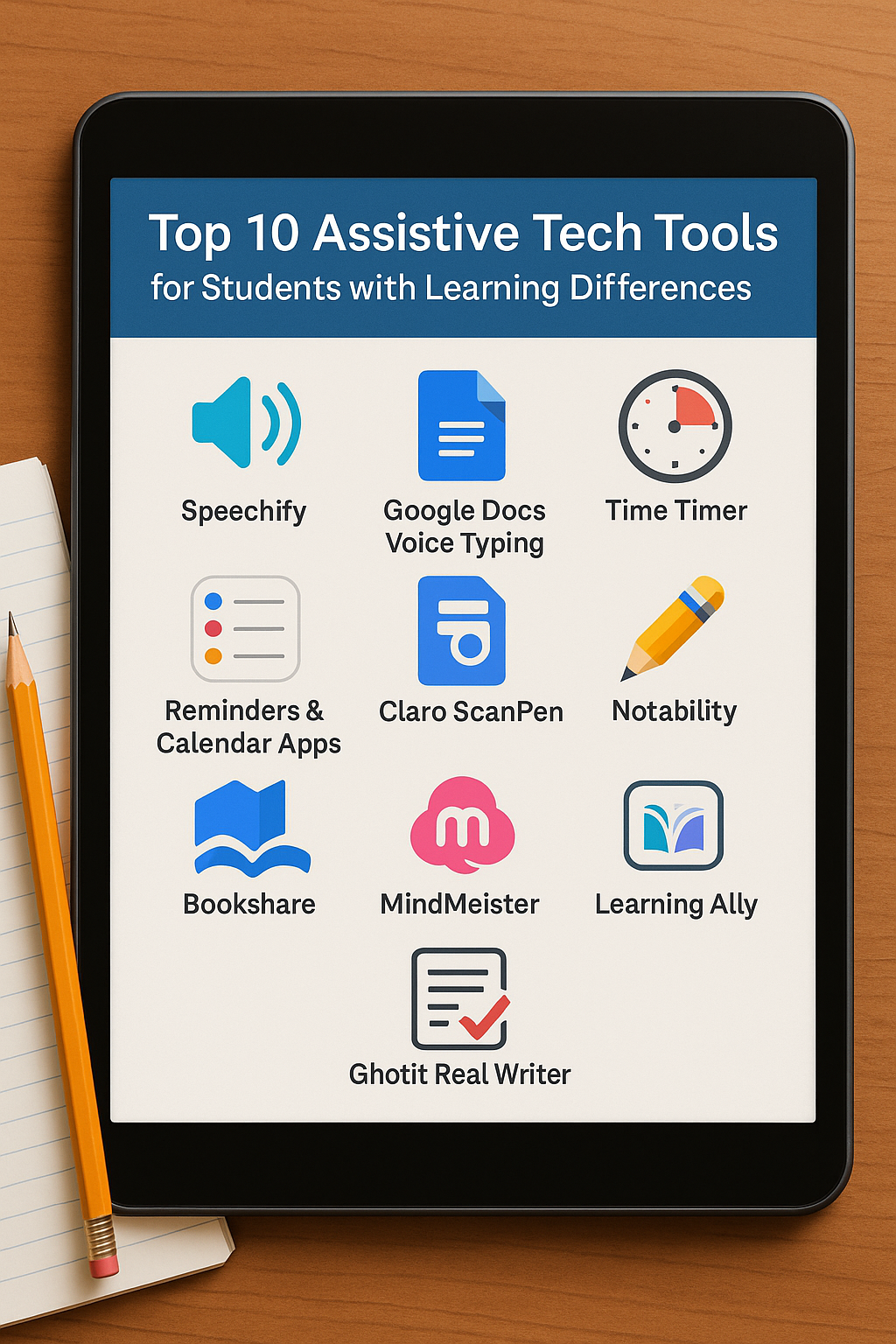
A Review of Apps and Devices That Empower Learning
For students with learning differences like dyslexia, ADHD, or executive functioning challenges, the right assistive technology can be a game-changer. These tools don’t replace instruction or support, but they can dramatically improve access, reduce frustration, and build independence. From speech-to-text apps to visual organizers, here are 10 of the most effective assistive tech tools available today.
1. Speechify
(Text-to-Speech App)
Best for: Students with dyslexia or reading fatigue
Platform: iOS, Android, Chrome Extension
Why it works: Speechify converts written text into spoken words, allowing students to listen to textbooks, websites, and documents at their own pace. It offers natural-sounding voices and variable playback speeds.
Bonus: Great for auditory learners and multitasking.
2. Google Docs Voice Typing
(Speech-to-Text Tool)
Best for: Students with writing or motor challenges
Platform: Chrome browser
Why it works: Built right into Google Docs, this free tool lets students dictate their writing instead of typing. It reduces stress for students who struggle with spelling, grammar, or slow handwriting.
Tip: Combine with Grammarly for even better output.
3. Time Timer
(Visual Timer)
Best for: Students with ADHD or executive function challenges
Platform: Physical device, iOS, Android
Why it works: This timer shows time as a red disc that shrinks as time passes—making time feel more concrete and visual. It helps students manage transitions, focus during tasks, and build time-awareness.
Use it for: Homework blocks, breaks, or test-taking.
4. Notability
Best for: Students who need audio support and flexible note-taking
Platform: iOS, Mac
Why it works: Students can type, draw, highlight, and record audio all in one place. Notability syncs recorded audio with written notes—perfect for students who struggle to keep up during lectures.
Great for: High school and college students with dyslexia or ADHD.
5. Reminders & Calendar Apps (Apple Reminders, Google Keep, or Todoist)
Best for: Students who need help organizing tasks
Platform: iOS, Android, web
Why it works: Students can set up daily to-do lists, receive automatic reminders, and break large tasks into manageable steps. Color coding and shared lists add an extra layer of support.
Pro tip: Set location-based reminders for packing backpacks or turning in assignments.
6. Claro ScanPen
Best for: Students with dyslexia or reading comprehension issues
Platform: iOS, Android
Why it works: Scan any physical text using your phone’s camera, and the app will read it aloud. No internet required. It’s especially useful for worksheets, textbooks, or printed handouts.
Useful at: School, home, or during standardized testing (when allowed).
7. Bookshare
Best for: Students who qualify for accessible materials
Platform: Web-based with compatible apps
Why it works: Offers free access to over one million books in audio, large print, and Braille formats. Bookshare is a federally funded resource for students with documented print disabilities.
Note: A school or specialist must verify eligibility.
8. MindMeister
(Mind Mapping Tool)
Best for: Students who struggle with organizing ideas
Platform: Web, iOS, Android
Why it works: Students can visually map out ideas for essays, projects, or studying. It supports visual thinking and helps make abstract connections more concrete.
Best for: Brainstorming, planning, and building confidence in writing.
9. Learning Ally
Best for: Students who need human-narrated audiobooks
Platform: iOS, Android, web
Why it works: Unlike AI readers, Learning Ally uses real people to narrate books—helping students with dyslexia or other reading differences stay engaged. Often used for school-assigned texts.
Bonus: Offers vocabulary and comprehension support built into the app.
10. Ghotit Real Writer
Best for: Students with dyslexia or dysgraphia
Platform: Windows, Mac, iOS
Why it works: Designed specifically for people with severe spelling and grammar challenges, Ghotit uses context-sensitive correction tools that outperform most standard spellcheckers.
Also includes: Word prediction and read-aloud features for better comprehension.
Final Thoughts
Assistive technology can’t “fix” a learning difference—but it can empower students to access their education with greater ease and independence. The best tools are the ones that match your child’s needs, learning style, and age. Don’t be afraid to experiment or involve your school in the selection process—many districts and private schools have tech specialists who can guide implementation and ensure accommodations are aligned with a student’s learning profile.
Dedicated to supporting families with children with learning differences.
© 2025 - 2026 • Learning Support Chicago • Questions? Email webmaster@learningsupportchicago.org
All Rights Reserved