Understanding the Brain Skills That Drive Learning, Focus, and Independence
When a student struggles to turn in homework, remember deadlines, or stay focused in class, the first recommendation often sounds simple: “Get a planner.” While a planner can be helpful, the underlying issue is usually more complex. These challenges often point to executive function difficulties—a set of cognitive skills that affect far more than just organization.
This article breaks down what executive function is, why it matters, and how you can support students who need help with these essential brain-based skills.
What Is Executive Function?
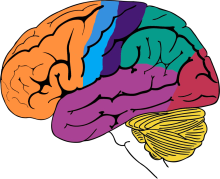
Executive function (EF) is a term used to describe a group of mental skills that help us manage our thoughts, actions, and emotions in order to get things done. These skills are controlled by the brain’s prefrontal cortex, which continues developing well into early adulthood.
At its core, executive function is what allows a student to:
-
Plan and prioritize
-
Stay organized
-
Start tasks and follow through
-
Remember instructions
-
Control impulses
-
Manage time
-
Shift between tasks or ideas
It’s like the CEO of the brain—responsible for managing all the systems required for learning, problem-solving, and everyday functioning.
How Executive Function Affects Learning
When executive function is working well, a student can keep track of assignments, manage their time effectively, and transition smoothly between subjects or tasks. But when these skills are weak, even the brightest students can underperform or feel overwhelmed.
Common signs of executive function challenges in students include:
-
Losing or forgetting materials
-
Starting but not finishing homework
-
Struggling to manage time or meet deadlines
-
Difficulty following multi-step directions
-
Emotional outbursts or shutdowns when tasks feel too big
-
Inconsistent academic performance
These struggles are often misunderstood as laziness, carelessness, or defiance—when in reality, they reflect a breakdown in brain-based skills.
Why Planners Alone Aren’t Enough
A planner is a tool, not a solution. It’s only helpful if a student has the skills to:
-
Remember to check it
-
Write down accurate information
-
Break down assignments into smaller steps
-
Follow through on each step
For students with executive function challenges, using a planner without proper support is like handing someone a map without teaching them how to navigate.
What Causes Executive Function Challenges?
Executive dysfunction is common in students with:
-
ADHD
-
Learning differences (like dyslexia or dysgraphia)
-
Autism spectrum disorder
-
Anxiety or mood disorders
-
Brain injuries or developmental delays
However, any student can struggle with executive function, especially under stress, during transitions, or in environments that don’t match their learning style.
How to Support Executive Function Development
The good news? Executive function can be strengthened over time with practice and the right strategies. Here’s how educators and families can help:
1. Break tasks into manageable steps
Use checklists and visual schedules to reduce overwhelm.
2. Build routines
Predictability helps the brain focus. Daily structures for homework, sleep, and transitions reduce decision fatigue.
3. Use external reminders
Timers, alarms, sticky notes, and phone alerts can support weak working memory and time awareness.
4. Model planning and flexibility
Talk through your own planning processes, and show how to adjust when things don’t go as planned.
5. Teach self-monitoring
Use questions like, “What’s your next step?” or “How did that strategy work for you?” to build awareness and reflection.
6. Celebrate small wins
Positive reinforcement helps build confidence and motivation.
Final Thoughts
Executive function skills are as essential to school success as reading and math—but often go unrecognized until problems arise. If a student is struggling to stay organized, complete tasks, or manage their time, the issue may be rooted in how their brain processes information—not in their effort or attitude.
Understanding executive function is the first step in helping students build the tools they need to thrive—not just in school, but in life.